 Casa Pia Hub
In recent matches, Casa Pia has struggled to convert possession into clear goal-scoring opportunities. While the team has shown defensive solidity, the attacking unit lacks creativity and fluidity. Statistics reveal that, despite maintaining possession, the effectiveness of their finishing has been unsatisfactory, with many shots going off-target or blocked by opposing defenses.
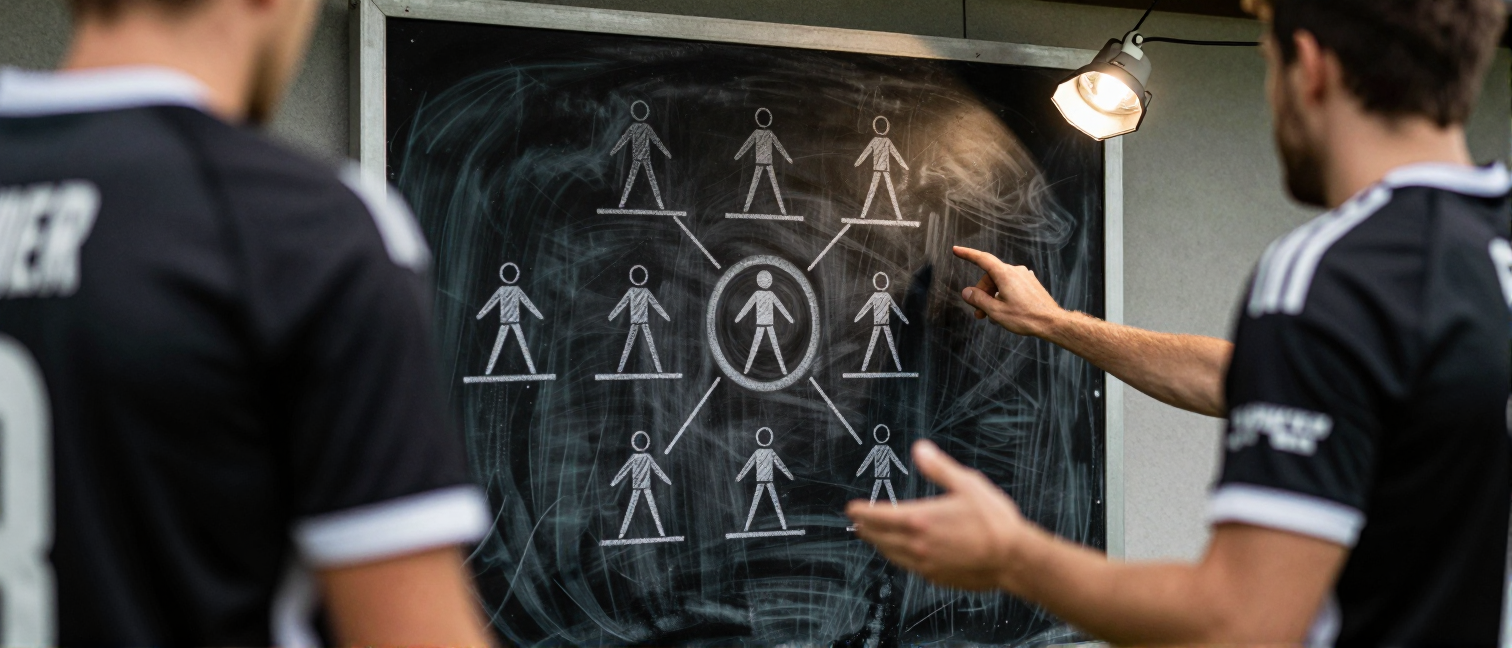
One of the main tactical issues lies in the formation used, which frequently presents as a 4-2-3-1. While this setup allows for defensive solidity, the lack of a true playmaker in midfield has limited the team's ability to break down opposing defenses. To address this, it would be advantageous to consider a transition to a 4-3-3, which could provide more dynamism and attacking options.
With the shift to a 4-3-3, Casa Pia could utilize three players in midfield, allowing for better ball control and more passing options. One player could be assigned a more advanced role, enabling him to connect directly with the forwards and create opportunities. The addition of a player with dribbling skills and vision, akin to the role of a “number 10”, would be vital in unlocking opposing defenses.
Another possible tactical alteration would be the use of more mobile wingers, capable of cutting inside and creating space for the full-backs. Players like K. Osundina, who have shown potential to exploit the width of the pitch, should be encouraged to move, dragging defenders and creating holes in the opposition's backline. This approach would not only increase finishing options but also open space for midfielders to join the attack.
High pressing should also be a tactical consideration. Casa Pia often retreats after losing possession, allowing opponents to settle into the game. Implementing a more aggressive pressing style could not only recover the ball more quickly but also destabilize the opponent's build-up play, creating more opportunities for quick counterattacks.
In summary, Casa Pia needs to adopt a more flexible and creative approach in attack. Implementing a 4-3-3, encouraging winger movement, and applying high pressure could be the key to revitalizing an offensive line that, while having potential, requires tactical adjustments to become more effective and dangerous in the league.